
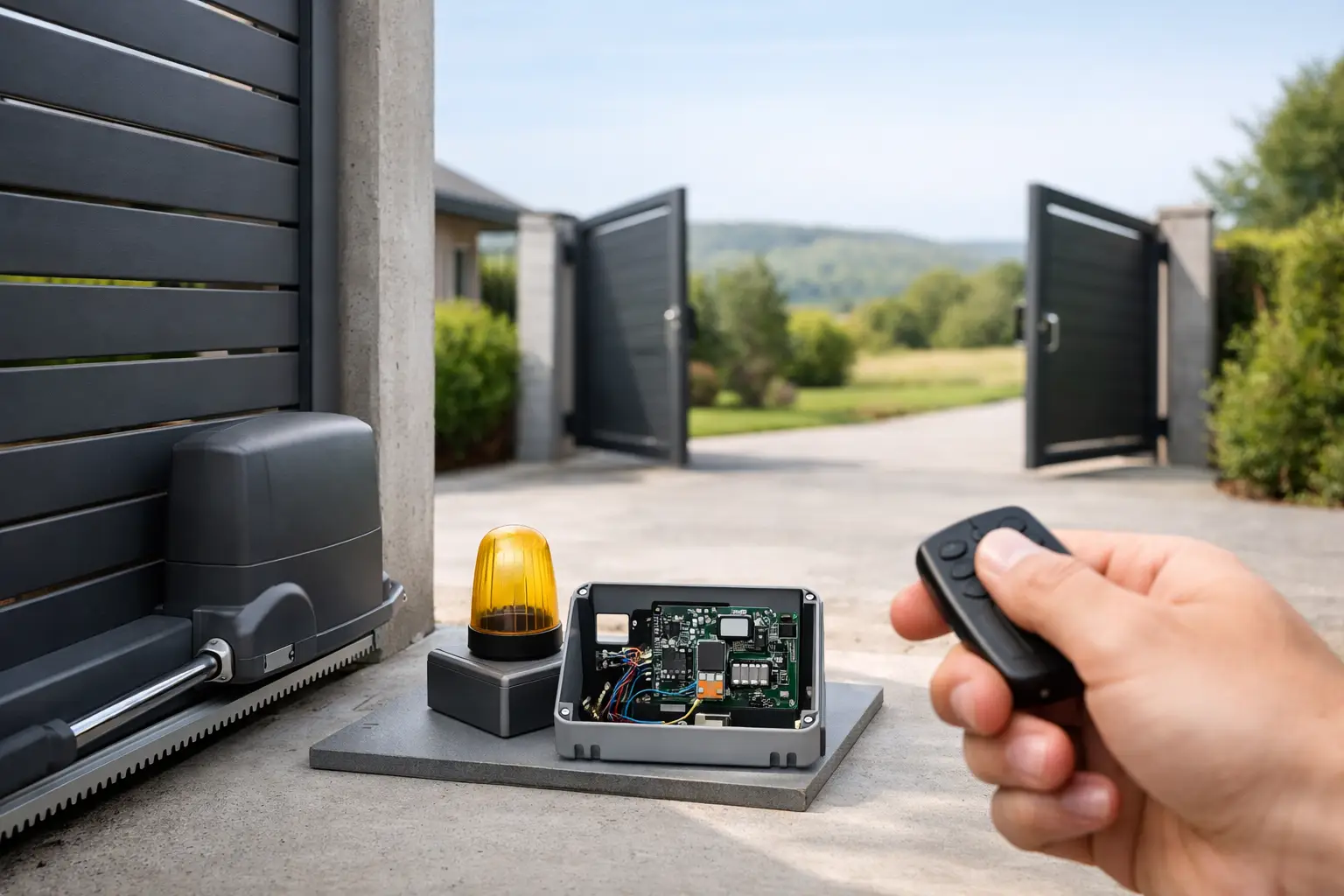
A gate that looks right on paper can become the wrong system once it meets a sloping drive, heavy daily use or poor access for cabling. That is why knowing how to choose gate automation starts with the site, not the motor. The best result is a system that suits the gate, the property and the people using it every day.
For some properties, the priority is convenience and kerb appeal. For others, it is controlled access, reliable opening cycles and integration with intercoms or keypads. In both cases, the decision should be based on practical factors rather than guesswork, because the right automation system is only as good as the gate it is fitted to and the installer behind it.
How to choose gate automation for your property
The first question is whether your existing gate is actually suitable for automation. Many gates can be automated, but not all should be. Weight, width, hinge position, structural condition and how the gate moves all matter. A timber gate may look substantial but still flex too much for reliable automation. An older metal gate may be strong enough, yet the posts or foundations may not be.
This is where a proper site survey earns its keep. An experienced installer will check more than measurements. They will look at levels, clearances, wind exposure, drainage, power availability and the condition of the gate structure itself. If any of those are overlooked, the system may work at first and become unreliable later.
It also helps to be clear about how the entrance is used. A private driveway used a few times a day needs something different from a commercial entrance with repeated vehicle movements. Frequency of use affects motor choice, control equipment and the level of durability required.
Swing or sliding – which automation suits the entrance?
Most automated gates fall into two main categories: swing gates and sliding gates. The right option depends on space, ground conditions and how the entrance is laid out.
Swing gate automation
Swing gates are a common choice for domestic properties and many private entrances. They can be fitted with above-ground motors or underground operators, depending on the appearance required and the gate design. If the customer wants a cleaner look with less visible equipment, underground automation can be an excellent option. That said, it does involve more groundworks, and drainage becomes especially important.
Above-ground systems are often more straightforward to maintain and can be very effective where appearance is less of a concern or where the gate design allows them to sit neatly. They are not a lesser option – just a different one.
Swing gates need enough space to open safely and fully. On rising driveways or uneven ground, that can become a limitation. In those cases, a sliding gate may be more practical.
Sliding gate automation
Sliding gates are often well suited to properties where space behind the gate is limited or where the drive slopes upward. Because the gate moves sideways rather than swinging inward or outward, it avoids some of the clearance issues that make swing automation awkward.
They are also a strong choice for commercial sites and busier entrances, as they can cope well with frequent use and offer a secure, controlled entry point. The trade-off is that a sliding system needs enough lateral runback space for the gate to travel, along with suitable track or cantilever support depending on the design.
A site with leaves, gravel build-up or poor drainage may need more thought, especially with tracked systems. Again, this is why the physical setting matters as much as the gate itself.
Power supply, usage and reliability
A gate automation system is an electrical installation, so the power supply should never be treated as an afterthought. One of the biggest differences between a specialist installer and a general tradesperson is the understanding of how the electrical side affects long-term reliability.
The location of the power source, cable routes and control equipment all need to be planned properly. If the gate is set a long distance from the property, that may affect installation method and cost. The same applies if there is a need for intercoms, keypads, safety loops or lighting at the entrance.
Usage level is equally important. A lightly used domestic gate may suit one type of motor, while a shared entrance, estate road or commercial site may require a heavier-duty operator rated for frequent cycles. Under-specifying a system can lead to avoidable wear, breakdowns and frustrated users. Over-specifying it can mean paying for equipment you do not need. The right choice sits in the middle – enough capacity for current use, with sensible allowance for future demand.
Safety should be built in from the start
If you are working out how to choose gate automation, safety should be near the top of the list. An automated gate is a powered access system, not just a convenience feature. It needs the right safety devices, correct force settings and proper commissioning.
Photocells, safety edges, obstacle detection and safe operating logic all have a role, depending on the gate type and the site. A family home with children, a block entrance with regular foot traffic and a commercial yard with vehicles and deliveries each present different risks. The system should be designed around those risks rather than relying on a basic standard setup.
It is also important that the installer tests and certifies the system correctly. Compliance is not simply a box-ticking exercise. It protects users, reduces liability and gives confidence that the gate has been installed to a proper standard.
Access control matters as much as the motor
Many customers start by thinking about the gate itself, then realise the day-to-day experience depends just as much on how the gate is opened. Access control is where convenience, security and usability meet.
For a private property, that may mean remote controls, a keypad or an audio or video intercom. For larger homes, estates or shared entrances, there may also be a need to manage multiple users without handing out endless remotes. On commercial sites, the priority is often tighter entry control, vehicle detection, timed access or integration with existing security arrangements.
Ground loops can be useful where automatic vehicle detection is needed, particularly for safer and more controlled exit. Intercom systems are valuable where the occupier wants to screen visitors before granting entry. Keypads can work well, but only if codes are managed properly. There is no single best option for every entrance. The right setup depends on who needs access, how often and with what level of control.
Choosing the right installer
Even high-quality equipment will underperform if it is poorly specified or badly installed. For that reason, one of the most important parts of how to choose gate automation is choosing the company fitting it.
Look for a specialist with direct experience in gate automation rather than a business that treats it as a sideline. Ask whether they install swing and sliding systems, whether they handle access control, and whether they have the electrical knowledge to deal with the full installation rather than only the mechanical side.
Insurance, guarantees and aftercare also matter. Gate automation is not a one-size-fits-all purchase that should be fitted and forgotten. If adjustments, servicing or fault finding are needed later, it helps to know the installer is established, properly insured and available to support the system. Clear advice at the quotation stage is usually a good sign. If a company cannot explain why it is recommending one approach over another, that should raise questions.
For customers across Dorset and the South of England, working with a specialist such as Crabtree Electrical Gates means the advice is based on real site conditions, electrical expertise and practical installation experience, not guesswork.
Budget, appearance and long-term value
Price matters, but cheapest rarely means best value with gate automation. A lower quote may leave out safety equipment, groundwork requirements, proper control options or the right specification for the gate. That often becomes more expensive later.
A better way to look at cost is to balance initial outlay against reliability, appearance, maintenance and suitability for the property. Underground motors may cost more and require more installation work, but they can be the right fit where appearance is important. A sliding gate system may involve more structural preparation, but it can solve access issues that a swing gate cannot.
The best system is not the most expensive one. It is the one that suits the site properly, works reliably and is installed to a standard you can trust.
If you are comparing options, ask practical questions. Will the gate be used daily or occasionally? Is the drive level? Do you need visitor access control? Is the gate already built for automation, or should it be replaced? Those answers usually point towards the right system more quickly than browsing product names ever will.
A well-chosen automated gate should feel straightforward to use and dependable in all seasons. If the advice you receive is clear, site-specific and backed by proper installation experience, you are already on the right track.
0 Comments