
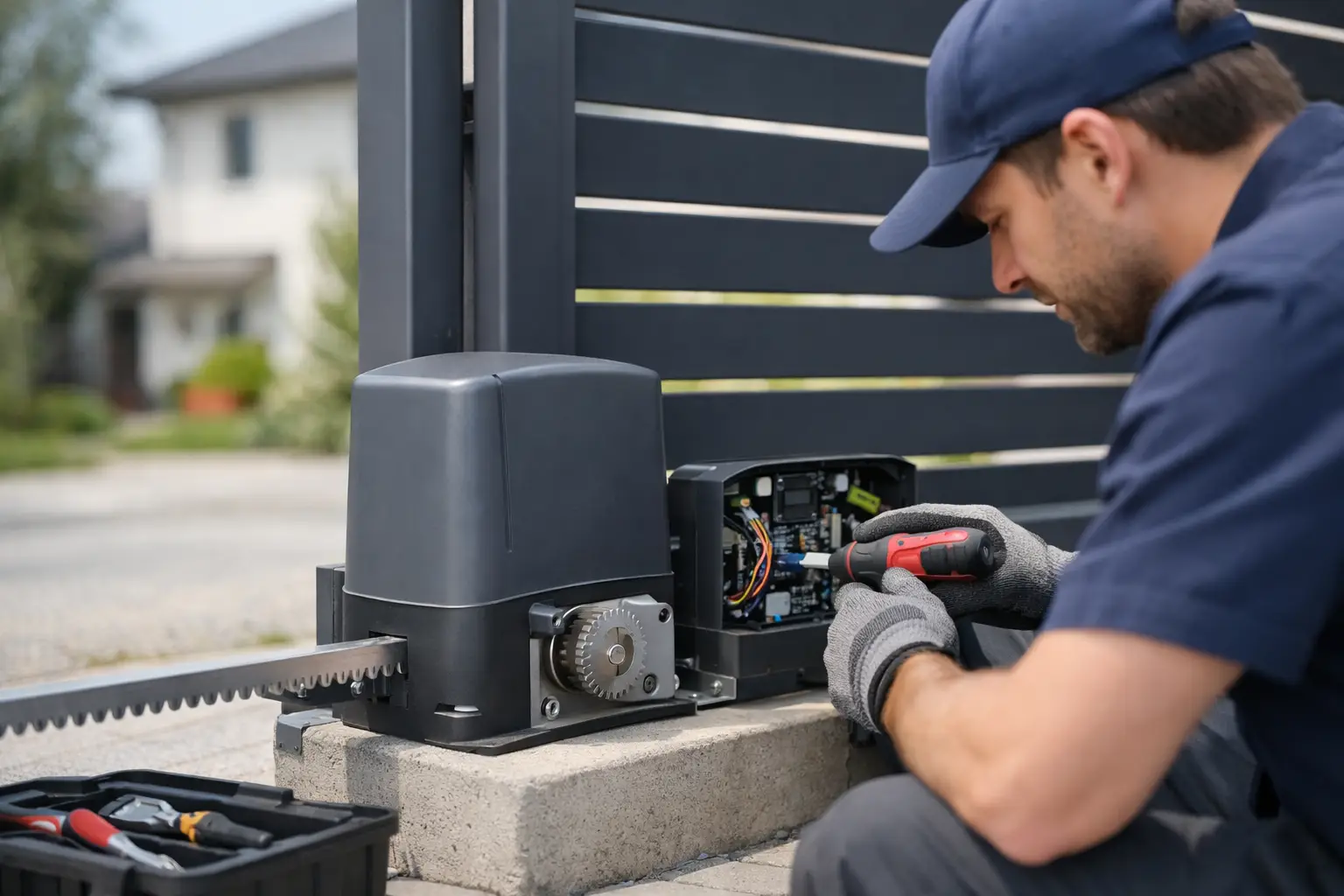
A gate that looks the part but opens unreliably soon becomes a daily frustration. Good gate automation installation is not just about adding motors to an existing gate. It is about making sure the whole system works safely, consistently and in a way that suits the property, the people using it and the level of access control required.
For homeowners, that might mean easier entry, better privacy and more confidence that the gate will perform properly in all weather. For commercial sites and estates, it usually means controlled access, fewer avoidable delays and a system that stands up to regular use. In both cases, the quality of the installation matters just as much as the equipment chosen.
What gate automation installation actually involves
A proper installation starts well before any equipment is fitted. The first question is whether the gates themselves are suitable for automation. Weight, size, condition, hinge alignment, track quality and available space all affect what can be installed and how well it will operate over time.
Swing gates and sliding gates each bring different requirements. Swing gates are a popular choice for domestic driveways, but they need enough room to open and close cleanly. Sliding gates can be a better option where space is tighter or where a wider entrance needs to be controlled, but they depend on a well-prepared track or cantilever arrangement and careful setup.
The electrical side is equally important. Gate automation systems need correctly planned power supplies, safe cabling, reliable control boards and suitable safety devices. This is one of the main reasons specialist installation matters. A gate may look straightforward from the outside, but the performance of the automation depends heavily on the standard of the electrical work behind it.
Choosing the right system for the property
There is no single setup that suits every entrance. The right answer depends on the gate type, how often it will be used and what level of access control is needed.
Swing gate automation
Swing gate systems are commonly used on private homes, rural entrances and smaller developments. They can be fitted with above-ground motors or underground operators. Above-ground systems are often more straightforward to maintain and can be a practical choice where function matters most. Underground automation offers a neater finish and is often preferred where appearance is a priority, but installation tends to be more involved and groundwork becomes more significant.
Sliding gate automation
Sliding systems are often chosen for commercial premises, larger driveways and sites where space behind the gate is limited. They are well suited to frequent use, but only when the gate is designed and installed correctly. Poor track alignment, inadequate foundations or unsuitable gate construction can lead to repeated problems, whatever motor is fitted.
Access control options
Automation is only part of the job. Many customers also want intercoms, audio or video entry, keypads, fobs, GSM entry systems or ground loops. On a family home, that may simply mean opening the gate from the house or car. On a managed site or business premises, it may involve different user permissions, timed access or vehicle detection.
This is where a tailored installation makes a real difference. The access control should match how the entrance is used in practice, not just what looks good on paper.
Why gate automation installation should never be treated as a quick add-on
One of the most common mistakes is assuming that any gate can be automated with minimal work. In reality, worn hinges, poor gate fabrication, weak posts or uneven ground can all affect the result. If these issues are ignored, the automation system ends up compensating for problems it was never designed to solve.
That usually leads to avoidable breakdowns, strain on the motors and a gate that never feels quite right in use. A professional installer will assess the whole entrance, not just the automation kit. Sometimes that means recommending repairs, adjustments or additional groundwork before the system is fitted. That is not overcomplicating the job. It is how you avoid paying twice.
Safety is another reason not to cut corners. Automated gates need to be installed with the appropriate safety measures in place, including force settings, photocells, safety edges where required and proper testing. Whether the gate is serving a private driveway or a busy commercial entrance, it needs to operate safely as well as reliably.
What to expect from a professional installation process
A well-run gate automation installation should feel clear from the start. The first step is usually a site visit to assess the entrance, discuss how the gate will be used and identify any practical limitations. That includes measuring up, checking power availability and deciding where controls and safety devices should be positioned.
From there, the specification should be based on the site rather than a standard package. The installer should explain what system is suitable, what groundwork or electrical work may be needed and what access options are available. For commercial customers, this stage is especially important because traffic flow, delivery access and operating hours can all affect the design.
Installation itself may involve cabling, control equipment, motor fitting, access control integration and safety setup, along with testing and commissioning. The final result should be a gate that opens and closes smoothly, responds correctly to controls and includes the appropriate protection features.
Just as importantly, the handover should be straightforward. Customers should know how to operate the system, what to do in the event of a power cut and who to contact if support is needed.
Domestic and commercial requirements are not always the same
A private driveway system is often designed around convenience, appearance and day-to-day ease of use. It may need to work for a few vehicles, occasional visitors and family members coming and going at different times. Noise levels, finish and discreet installation often matter more in this setting.
Commercial sites usually place more emphasis on durability, control and traffic management. Gates may be used far more frequently and need to work alongside intercoms, timed access, staff entry methods or vehicle detection. A system that is perfectly suitable for a home may not be the right choice for a business yard, industrial unit or managed development.
That is why experience across both domestic and commercial installations is valuable. It helps ensure the gate is specified for how it will actually be used, not simply for how it appears on first inspection.
The value of electrical expertise in gate automation installation
This is often the difference between a tidy-looking job and a dependable one. Automated gates are electrical systems exposed to outdoor conditions, repeated movement and regular use. Cabling, control panels, safety components and entry devices all need to work together without weak points.
An installer with solid electrical expertise is better placed to deal with power supply requirements, fault finding, safety testing and integration with related controls. That matters during installation, but it also matters later if the system needs adjustment, expansion or repair.
For customers, the practical benefit is simple. You want a gate that works when you press the button, not one that becomes unreliable after the first spell of bad weather or heavy use.
How to choose an installer with confidence
If you are comparing providers, look beyond the gate itself. Ask whether they specialise in automation, whether they are insured and whether workmanship is guaranteed. Find out if they install access control as part of the same service and whether they work across both residential and commercial settings.
It is also worth asking who will actually handle the work. A direct, specialist-led service tends to give customers clearer advice and better continuity from quote to completion. That can make a real difference when the project involves bespoke gates, awkward access, underground operators or integrated entry systems.
Crabtree Electrical Gates works across Dorset and the South of England, installing electric gate automation systems for homes, estates and commercial premises with a focus on reliable workmanship, safety and clear advice.
When gate automation installation is worth the investment
For many properties, the benefits are immediate. You gain easier access, better control over entry and a stronger sense of security. In some cases, automation also improves the overall impression of the property, especially where the gate forms part of the frontage or main entrance.
That said, the return depends on the quality of the specification and installation. The cheapest option is rarely the best value if it leads to repeated call-outs or limited functionality. A system that is properly matched to the gate and installed to a high standard will usually prove more reliable, safer and easier to live with in the long term.
If you are considering gate automation installation, the best starting point is a proper site assessment and straightforward advice. A good installer will tell you what is possible, what needs attention first and what setup will serve the property best – and that is the point where a gate stops being just an entrance and starts working as it should.
0 Comments