
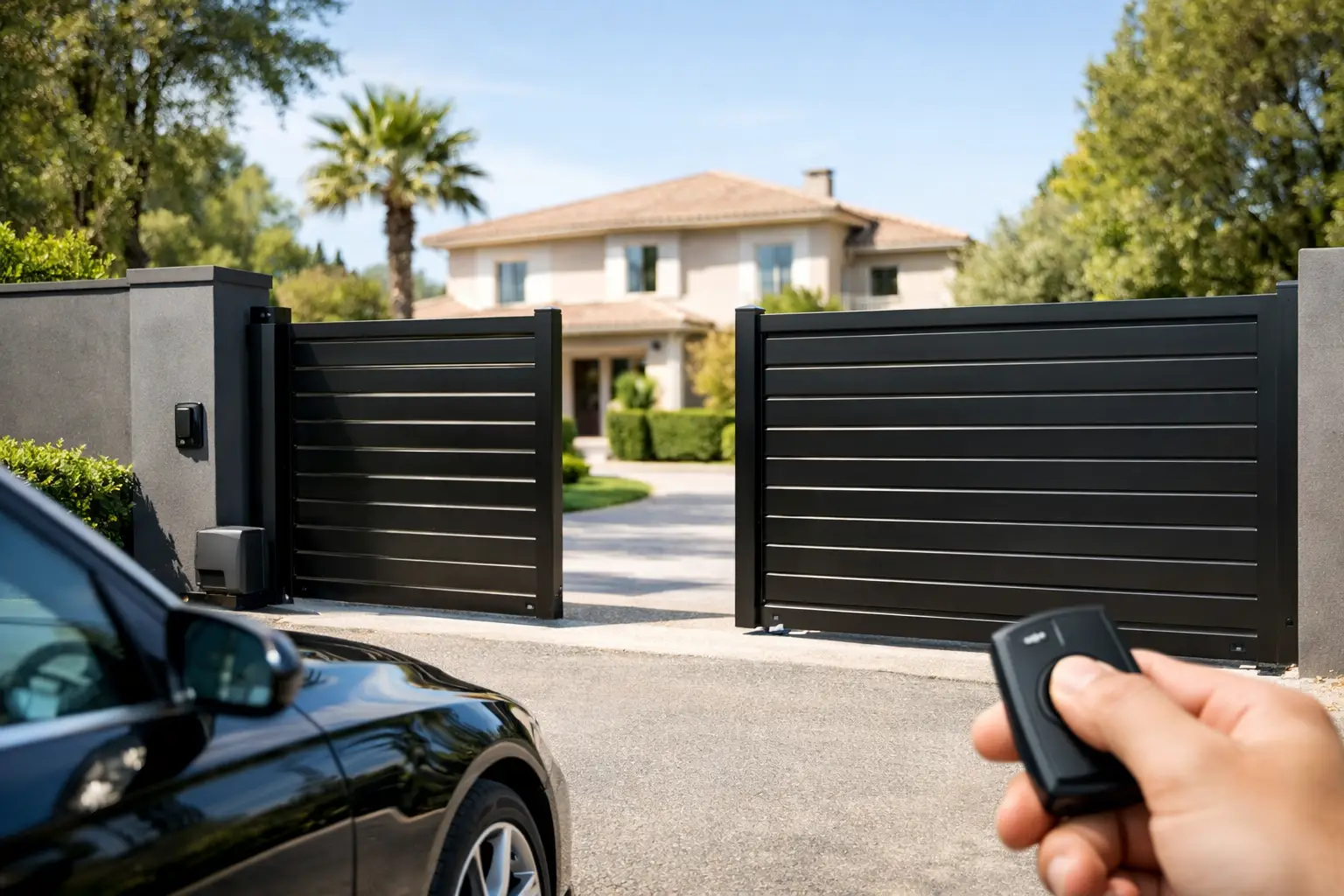
Pulling up to your property in heavy rain and opening a gate by hand gets old quickly. For many owners, that is the moment the question stops being theoretical and becomes practical: are electric gates worth it? The short answer is often yes, but only when the system is properly specified for the site, installed safely, and chosen for the way the entrance is actually used.
For some properties, electric gates are a clear upgrade in security, convenience and appearance. For others, the benefit is more limited, especially if access is awkward, usage is low, or the wrong type of automation is fitted. The real value comes from matching the gate, motor and access control system to the property rather than buying automation as a one-size-fits-all extra.
Are electric gates worth it for security?
Security is usually the main reason people ask about gate automation, and it is a valid one. An electric gate creates a controlled point of entry. That matters whether you are protecting a private driveway, a business yard, a farm entrance or a managed residential site.
A closed, automated gate will not make a property impenetrable, and any installer who suggests otherwise is overselling it. What it does do is add a visible barrier, slow down unauthorised access and give the owner more control over who comes in. When you combine gate automation with intercoms, keypads, fobs, GSM entry or ground loops, you move from a simple boundary to a managed entrance.
That extra control is often where the value lies. A homeowner can let in family or deliveries without leaving the house. A commercial site can restrict vehicle access out of hours. An estate manager can reduce casual entry and keep a clearer record of who has permission to enter.
Security also depends on the quality of the installation. Poorly aligned gates, underpowered motors or badly planned access control can create weak points and frustration. A properly designed system is more dependable and far more likely to deliver the security benefit people expect.
Convenience is often the deciding factor
Even clients who first enquire about security often end up valuing convenience just as highly. Opening and closing gates manually sounds manageable until you have to do it twice a day, in the dark, in poor weather or on a busy road.
Automation removes that inconvenience. You can enter with a remote, keypad, intercom, phone-based system or vehicle detection, depending on the site. For households with regular traffic, or business premises with repeated vehicle movements, that time-saving adds up quickly.
It also helps with safety and practicality. If the entrance opens onto a lane or main road, being able to operate the gate efficiently can make arrivals and departures smoother. Where mobility is a concern, electric operation can make a property far easier to use day to day.
This is one reason why owners who initially hesitate over cost often decide the investment is worthwhile after installation. The benefit is not abstract. It is felt every morning, every evening and every time someone arrives at the gate.
Do electric gates add property value?
They can, but it is better to think in terms of attractiveness and market appeal rather than a guaranteed figure. A well-designed electric gate can improve kerb appeal, give a property a more substantial entrance and make it feel more private and secure.
For higher-value homes, country properties and large driveways, that visual impact can be significant. The entrance is the first thing visitors and buyers see. A smart, well-fitted automated gate suggests a property that has been properly looked after.
For commercial premises, the value is more operational. Controlled access can support site management, reduce unnecessary traffic and present a more professional frontage. On some sites, that is every bit as important as appearance.
That said, an electric gate does not automatically add meaningful value if the installation looks out of place, feels awkward to use or is poorly maintained. Buyers and occupiers tend to respond well to systems that are practical, reliable and in keeping with the property. They respond less well to systems that appear temperamental or overly complicated.
When are electric gates worth it – and when are they not?
This is where honest advice matters. Electric gates are worth it when there is a clear need for controlled access, regular use, improved convenience or a stronger sense of security. They are also worth it when the entrance has enough space and the right layout for a safe, reliable system.
They may be less worthwhile if the gate is rarely used, the entrance geometry makes automation difficult, or the budget only stretches to a compromised installation. In those cases, the owner can end up paying for automation without getting the full benefit.
The type of site also matters. A long private drive, a shared entrance, a farm track, a business compound and a suburban driveway all place different demands on the system. Swing gates may suit one entrance perfectly, while sliding gates are the better answer on another. Underground automation may be chosen for appearance, while above-ground motors may be more suitable for frequent-duty use and easier maintenance.
This is why a proper site assessment matters so much. The question is not simply whether electric gates are worth it in general. It is whether they are worth it on your property, for your traffic levels, access requirements and long-term expectations.
Cost versus long-term value
The upfront cost is the point most people focus on first, and understandably so. Electric gates involve more than the gate leaves and a pair of motors. There may also be groundwork, cabling, power supply, safety devices, posts, access controls and any required structural adjustments.
That can make automation look expensive compared with a manual gate. But the better comparison is not just purchase price. It is ongoing usefulness. A correctly installed electric gate delivers daily convenience, more controlled access and a stronger entrance for years. For many owners, that long-term practical value justifies the initial outlay.
The cheaper route is not always the more economical one. A low-cost system that is badly installed or not suited to the site can create repeated call-outs, inconsistent performance and avoidable frustration. A system specified properly from the start is usually the better investment.
Commercial clients tend to understand this quickly because downtime affects operations. Residential clients see it once they realise how often they will use the system and how important reliability becomes.
Safety and compliance should never be an afterthought
One of the biggest differences between a specialist installer and a general trades approach is understanding gate safety properly. Automated gates are not just convenience products. They are powered entrance systems and need to be installed with appropriate safety measures.
That includes the right protection devices, correct force settings, sound electrical work and proper testing. Safety is especially important where children, visitors, delivery drivers or frequent vehicle movements are involved.
If you are asking whether electric gates are worth it, this forms part of the answer. They are worth it when they are safe, dependable and professionally installed. They are not worth it if corners are cut or the system is treated as a cosmetic add-on.
This is also why aftercare matters. Even a well-installed gate benefits from servicing and prompt attention if a fault develops. Owners usually want reassurance that the installer will still be available once the gate is in daily use.
Choosing the right setup makes the difference
The value of an electric gate is heavily influenced by the setup around it. Access control options change how the gate works in practice. An intercom may be ideal for a busy household or office. A keypad might suit regular staff access. Ground loops can be useful on sites where smooth vehicle exit matters.
The gate style matters as well. Swing gates can be an excellent choice where there is room to open safely. Sliding gates are often better where space is restricted or the entrance rises sharply. Some properties benefit from underground automation for a cleaner finish, while others are better served by more accessible above-ground equipment.
There is no best system in isolation. There is only the right system for the property. That is where specialist advice earns its place.
For owners across Dorset and the South of England, the practical answer usually comes from a site visit rather than a headline price. A good installer should explain what will work, what will not, and where your money is best spent.
If you are weighing up the investment, the sensible approach is to look beyond the gate itself and think about how you want the entrance to function every day. When an automated gate is chosen for the right reasons and installed properly, it tends to feel less like a luxury and more like an upgrade you would not want to be without. If you want clear advice on what would suit your property, it is worth arranging a quote and speaking to a specialist before making the decision.
0 Comments